

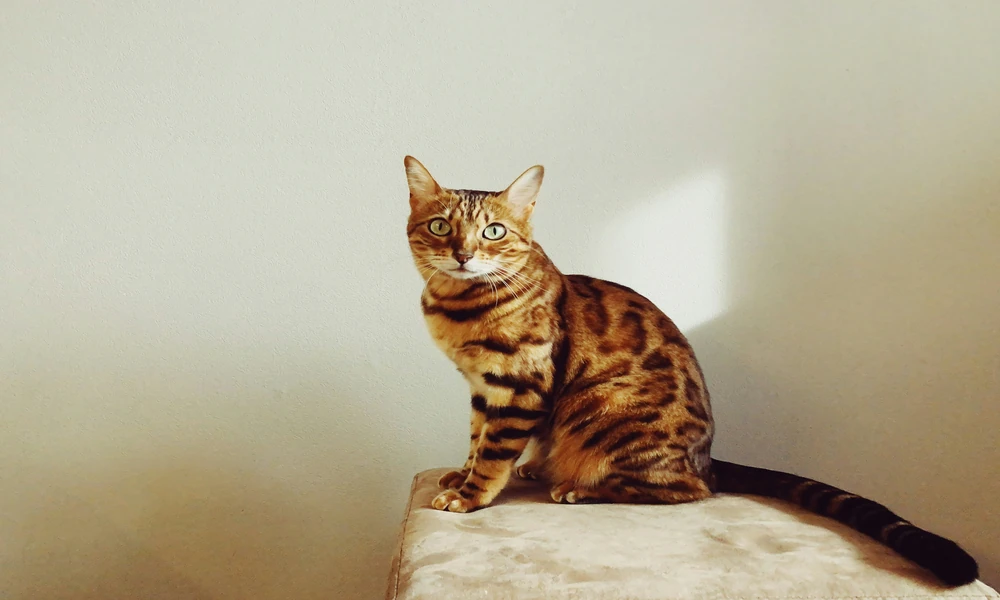

A cat sitting three feet up sees the room differently than one curled on the carpet. Height gives a wider sightline, and for larger breeds, this matters more, not less. Entry points, sudden movement, another pet crossing the hallway, all of it gets noticed sooner from above. Wild ancestors leaned on this same trick, climbing to stay clear of ground predators while still watching prey below.
Instinct remains, even indoors. Maine Coons, Norwegian Forest Cats, are built heavier than average, still lean toward height once given the option. A kratzbaum groß with several platforms lets one of these larger animals settle in without the whole thing creaking or tipping, which smaller furniture often can’t handle. Down at floor level, things are noisier. Foot traffic passes close, sounds carry oddly along the ground, and there’s less warning before something enters the space.
Some of it comes down to plain physics, too.
- Cold drafts tend to pool near the floor, so height avoids that.
- A larger frame can stretch out fully up top, no wall or table leg in the way.
- Staying elevated means staying clear of people walking through shared rooms.
- Weight spreads more evenly across a wide platform than it does on a hard floor.
Climbing is fun for kittens. The older or heavier cats do it for themselves, not for entertainment. And that weight distribution point holds up under a closer look, since hips and spine carry less strain when the surface underneath is broad rather than flat and narrow.
How does structural stability affect comfort?
None of that height preference means much if the platform itself can’t hold weight properly. After a couple of attempts, animals tend to avoid a rocking base or a bending shelf, no matter how good the vantage point looks.
Stability mostly comes down to two things: base width and how tightly the levels connect to each other. Build a tall frame on a narrow foot, and you get a lever; small wobbles up top become real sway down low. Larger cats, five to nine kilograms in many cases, put more strain on those joints than lighter breeds ever would, so hardware sized for smaller animals often loosens faster than expected.
Materials matter here too, more than people usually assume. A dense particleboard core grips screws and dowels much longer than a thinner composite board. Posts with sisal wound tightly prevent the frame from flexing, adding a bit of tension.
A few things tend to decide how long a structure holds up:
- How thick each platform is, since thin boards flex under weight.
- Post width, which changes how well claws grip while climbing.
- How solid the base-to-midsection joint is built.
- Whether the surface stays textured, since smooth spots cause sliding during rest.
Cats notice this quickly. A steady structure gets used again and again. One that shifts underfoot gets tested once, maybe twice, then largely ignored.
Height satisfies something instinctive in larger breeds, but it only holds real value once the structure underneath can actually support the weight resting on it, day after day.


Why Your Dog Clears the Room: Flatulence, Causes and Fixes

Understanding Signs of Mental Health Issues in Your Dog
