

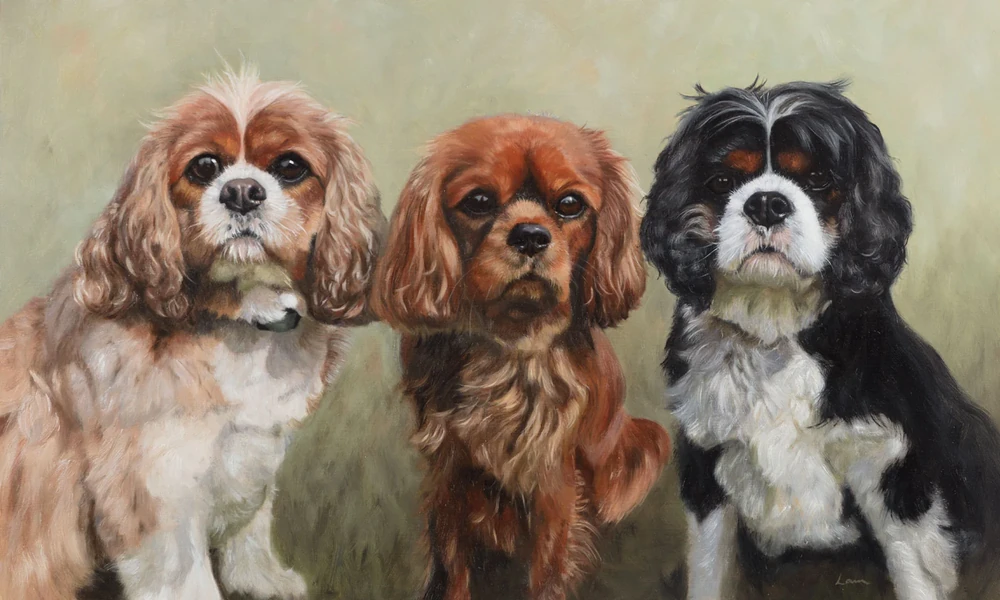

A familiar collar can feel like part of a pet’s appearance. A leash crossing the same photograph may feel like something that happened to be there. When both appear in the reference image, the difference between them is worth explaining before you order a portrait.
You do not have to remove every accessory to make the picture feel personal. Nor do you have to keep every object simply because the camera recorded it. Decide which details carry meaning, which need discussion, and which are incidental. Then turn those decisions into a short note that a portrait maker can actually use.
Give each accessory a job
Begin with the photograph you want to use. List the objects attached to or overlapping the pet: collar, tag, bandana, harness, ribbon, or anything else visible. Consider each object separately instead of requesting “no accessories” or “keep everything” by default.
Put each one in a temporary category:
- Keep: It contributes to the image you want to remember or display.
- Discuss: You are unsure about its appearance, its meaning, or what changing it would require.
- Unnecessary: You would prefer not to feature it, subject to what the maker can do.
Imagine a green collar worn for years and a bright leash used only on that particular outing. You might want the collar to remain because it feels familiar, while asking whether the leash can be left out. That is a more useful instruction than asking for a generally “cleaner” image.
The categories are preferences, not technical instructions. Putting an object under “unnecessary” does not establish that it can be removed from the selected design. It simply identifies the question you want answered.
You can also decide to leave everything as shown. A custom pet portrait does not need extensive changes to feel thoughtfully chosen.
Consider the difference between an accessory’s meaning and its prominence. You may want to retain a sentimental ribbon without making it the first thing someone notices. Say that explicitly: “I would like it included, but the face should remain the focus.” Keeping an object does not require asking for it to become the subject. That distinction can make your request clearer without adding more things to change.
Look at what sits behind the object
Before asking for an accessory to disappear, examine what it covers. A tag might overlap a small area of fur. A wide harness might conceal a chest marking you want included in the portrait. Those are different requests because the visible reference information is different.
Do you have another photograph showing that area? If so, identify it as supporting information rather than leaving the maker to work out why you sent it. A short label such as “for the chest marking beneath the harness” explains its purpose.
If you do not have another view, say that. You may decide to retain the accessory, use a different main photograph, or ask whether a closer composition would suit you. There is no need to pretend that an unseen detail is known.
Be specific about which object you mean. In a photograph with a collar, harness, and leash, “remove the straps” could describe more than one thing. Name the object and, if needed, provide an annotated copy while retaining the original file.
This step also helps distinguish an accessory from the pet’s appearance. An unusual dark line might be a strap, a shadow, or a marking. If the image is unclear, make uncertainty part of the conversation instead of giving a confident instruction based on a guess.
Decide what the tag should communicate
An identification tag introduces a second choice: whether you want the object itself, its readable text, both, or neither. Treat those as separate preferences.
You may like the familiar shape and color but have no interest in displaying the contact details. You may want the pet’s name included elsewhere if the selected design offers a name option. Or you may prefer a portrait without any lettering at all.
Explain the desired outcome in plain language. “Keep the small round tag as a visual detail, but I do not want the contact information reproduced” is more precise than “keep the tag.” Confirm whether that request is possible for the chosen product.
If readable lettering matters, supply the intended spelling as text. Do not make a tiny, angled tag in the reference photograph the only source for it. Also distinguish the name on the artwork from the recipient’s name or the name associated with the order.
A personalized pet portrait can be personal through its subject and details alone. Adding a name is an option to consider where available, not a requirement you must satisfy.
Prepare one clear reference note
Gather the main photograph, any necessary supporting view, and a short explanation. Avoid sending a large collection of nearly identical images with no indication of which one should guide the work.
The main file should show the pose or expression you want. A supporting image should answer a specific question, such as the collar’s color or the marking concealed by a strap. If it shows the pet at a different age or with a different appearance, explain that difference.
Before submitting files, review the maker’s upload instructions and photo reference guidelines. Keep the original images available rather than providing only heavily edited copies. If you make an annotated image to point out an accessory, label it as a note, not as the untouched reference.
For pet portraits from photos, a concise instruction might read: “Please use Photo A for the expression. I would like to keep the blue collar. Photo B shows the chest without the walking harness; please let me know whether leaving out the harness is possible.”
That gives the maker a starting point, a preference, and an unresolved question. It avoids presenting a complicated change as something already agreed.
When reviewing portrait options at Pawfolio Art, identify the particular design you mean. Ask about the accessory in relation to that design, since the displayed options and composition may affect what is suitable.
Resolve competing details before placing the order
Sometimes two meaningful elements compete for attention. A favorite ribbon might cover the collar you also want to feature. A large tag might sit directly over a small chest patch. Decide which detail matters more rather than asking every element to be equally prominent.
Try this final review on paper:
“The detail I most want to keep is ____. The incidental object I would like to discuss is ____. The information my photographs do not clearly show is ____.”
Read the three lines together. If they contradict each other, revise them before sending the request. You might discover that another reference photograph resolves the conflict more simply than several editing instructions would.
Keep the scope proportionate. If your main wish is to retain a beloved collar, say that first. A long list of minor changes can make the central request harder to identify, especially when some are optional preferences.
Before ordering, make sure any essential change has been addressed. If the maker cannot confirm the result you need, consider a different design or photograph. You are choosing a portrait with intention, not testing how many alterations can be fitted into one order.
Let a small detail remain small
The most useful accessory decision may be modest: keep the everyday collar, omit readable contact details if possible, and leave the rest of the image alone. Another portrait might work best exactly as photographed.
There is no universal rule about which objects belong in pet artwork. The practical goal is to distinguish what matters to you from what happened to be in the frame, provide the relevant reference information, and confirm the request before it becomes part of the commission.
The Collar, the Tag, and the Story: Choosing Details for a Pet Portrait

The Collar, the Tag, and the Story: Choosing Details for a Pet Portrait
Never Be Your Cat’s Alarm Clock Again: The Smart Feeder Revolution
